
Quick Answer: Roof Replacement Frequency
In Massachusetts, most residential roofs should be replaced every:
- 20–30 years for asphalt shingles
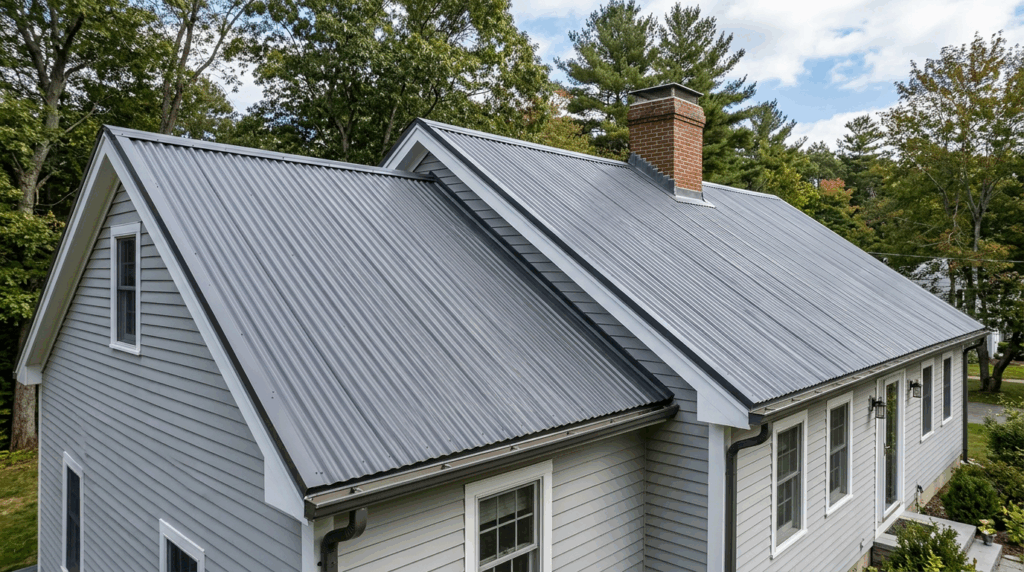
- 40–70 years for metal roofing
However, due to harsh New England weather, many roofs wear out faster than the national average.
When we assess a roof in Brookline or Warwick, we don’t start by checking the installation date. We test deck firmness near valleys first, trace moisture paths at parapet edges, and measure ventilation flow at the ridge. A roof that’s “only” 18 years old in coastal Massachusetts can show more wear than a 25-year-old roof inland — not because of age, but because of what the harbor humidity and freeze-thaw cycles have done to the underlayment. At ID Roof, we map the actual wear pattern before we ever discuss replacement timing, because in New England, the calendar rarely tells the full story.
ID Roof expert insight:
“In Massachusetts, roofs age differently. Snow, ice, and temperature swings can shorten lifespan if the system isn’t installed correctly.”
Roof Lifespan by Material (Massachusetts Conditions)
Asphalt Shingles (Most Common)
- Typical lifespan: 20–30 years
- In MA reality: often 18–25 years
Factors like ice dams and freeze-thaw cycles accelerate wear.
Architectural Shingles
- Typical lifespan: 25–30 years
- More resistant to wind and weather
Best choice for most homes in Boston and surrounding areas.
Metal Roofing
- Lifespan: 40–70 years
- Performs well in snow and moisture
Higher upfront cost but longer replacement cycle.
Cedar Shake (Less Common)
- Lifespan: 20–30 years
- Requires maintenance in humid climates
Why Roofs Wear Out Faster in Massachusetts
Massachusetts roofs face:
- Heavy snow loads
- Ice dams
- Freeze-thaw cycles (expansion and contraction)
- Strong winds and storms
- Moisture and humidity
These factors gradually weaken shingles, flashing, and underlying materials.
ID Roof expert insight:
“Ice dams are one of the biggest hidden causes of early roof failure in New England.”
During on-site evaluations, we often find that the “age” homeowners report isn’t the real variable. We start by checking valley flashing integrity and testing underlayment adhesion near chimneys — because in Massachusetts, a roof doesn’t fail because it hit 20 years. It fails because the ice-and-water shield wasn’t extended far enough, or the ventilation couldn’t handle the coastal humidity. At ID Roof, we don’t guess based on installation date. We measure what the roof has actually endured.
+1 (857) 600-2299
Signs It’s Time to Replace Your Roof
Even if your roof hasn’t reached its expected lifespan, look for:
- Shingles curling or cracking
- Frequent leaks or repairs
- Missing shingles after storms
- Granules in gutters
- Water stains inside the home
If multiple signs are present, replacement is often more cost-effective than continued repairs.
Should You Replace Your Roof Before It Fails?
Yes — proactive replacement can prevent:
- Interior water damage
- Mold and structural issues
- Emergency repair costs
ID Roof expert insight:
“Waiting until a roof fails usually means higher total costs. Planned replacement is always the better option.”
How Maintenance Affects Roof Lifespan
Regular maintenance can extend your roof’s life by several years.
Key actions include:
- Annual inspections
- Cleaning gutters
- Fixing small issues early
- Ensuring proper ventilation
Does Installation Quality Affect Lifespan?
Absolutely.
Even high-quality materials can fail early if:
- Installed incorrectly
- Poor ventilation is present
- Underlayment is inadequate
ID Roof expert insight:
“We’ve seen roofs fail in 10–15 years due to poor installation. Proper workmanship is just as important as materials.”
Final Answer: How Often Should You Replace Your Roof?
In Massachusetts:
- Most homes: every 20–30 years
- Harsh conditions or poor installation: sooner
- High-end materials (metal): up to 70 years
The exact timing depends on your roof’s condition — not just its age.
FAQ: Roof Replacement Frequency in Massachusetts
How often do roofs need to be replaced in Massachusetts?
Most asphalt roofs need replacement every 20–30 years, often sooner due to weather conditions.
Can a roof last 30 years in New England?
Yes, but only with proper installation, ventilation, and maintenance.
How do I know if my roof is too old?
If it’s over 20–25 years old and showing signs of wear, it should be inspected.
Is it better to replace a roof before it leaks?
Yes. Preventative replacement avoids costly interior damage.
Does weather really shorten roof lifespan?
Yes. Snow, ice, and temperature changes significantly impact roofing materials.
How often should I inspect my roof?
At least once a year and after major storms.
Schedule a Roof Inspection with ID Roof
If your roof is approaching the end of its lifespan, don’t wait for problems to appear.
At ID Roof, we provide detailed roof inspections across Boston, MA and surrounding areas, helping homeowners understand exactly when replacement is needed.
✅ Honest lifespan assessment
✅ Clear repair vs replacement recommendations
✅ Roofing systems built for New England conditions
Let the Roof Tell You When It’s Time — Not the Calendar
If you want a replacement timeline based on what your Massachusetts roof has actually endured — not just its installation date — call ID Roof for an assessment that traces real wear patterns before recommending next steps.